You’ve seen the headlines: “Market Reaches All-Time High,” followed by whispers and worried analyses questioning its sustainability. Valuation metrics like the Cyclically Adjusted Price-to-Earnings (CAPE) ratio are flashing warning signs, historical parallels are being drawn to past bubbles, and the fear of a significant correction looms large in the minds of many investors. This is the classic dilemma of the overvalued market. Do you sell everything and hide in cash, risking being left behind if the rally continues? Or do you hold tight and hope for the best, potentially watching your portfolio evaporate in a downturn?
The answer lies in neither extreme. It lies in a deliberate and disciplined approach known as defensive investing.
Defensive investing is not about predicting the top of the market or timing a crash. It is a philosophy and a set of strategies designed to protect your capital during periods of heightened risk and volatility. The primary goal shifts from maximizing returns to preserving wealth and minimizing permanent loss of capital. This approach allows you to stay invested, participate in any further gains (albeit potentially at a slower pace), and be positioned to capitalize on opportunities when markets eventually fall.
This article will serve as a comprehensive guide to navigating an overvalued market. We will explore how to identify overvaluation, delve into core defensive investing principles, and provide a detailed toolkit of actionable strategies. Drawing on time-tested wisdom and practical financial principles, this guide is designed to help you fortify your portfolio against the storms of market uncertainty.
Part 1: Diagnosing the Problem – Recognizing an Overvalued Market
Before building a defense, you must understand the threat. An overvalued market is one where asset prices appear high relative to their underlying economic fundamentals, such as corporate earnings, GDP growth, or historical averages. It’s important to note that markets can remain overvalued for years, driven by investor euphoria, low interest rates, or liquidity injections. However, recognizing the signs can help you adjust your risk exposure proactively.
Key Indicators of an Overvalued Market
- Elevated Price-to-Earnings (P/E) Ratios: The P/E ratio is one of the most common valuation metrics. When the average P/E of a major index like the S&P 500 is significantly above its long-term historical average (around 16-17), it suggests investors are paying more for each dollar of earnings. The Shiller CAPE Ratio, which uses ten years of inflation-adjusted earnings, is a particularly reliable measure for assessing long-term market cycles. A CAPE ratio in the high 20s or 30s has historically preceded periods of low subsequent returns.
- High Market Capitalization to GDP (Buffett Indicator): Famously favored by Warren Buffett, this metric compares the total value of all publicly traded stocks to the country’s Gross Domestic Product. When this ratio is well above its historical norm, it indicates the stock market is overvalued relative to the size of the real economy.
- Low Dividend Yields: As stock prices rise, dividend yields (annual dividend per share / share price) fall. When the aggregate dividend yield for a major index falls to historically low levels, it can signal that income-seeking investors are overpaying for assets.
- Excessive Speculation and “Froth”: This is a qualitative but crucial indicator. Look for signs like:
- The proliferation of “story stocks” with no earnings but soaring valuations.
- The rise of speculative assets like certain cryptocurrencies and NFTs driven by social media hype.
- High levels of margin debt, indicating investors are borrowing heavily to buy stocks.
- A surge in IPOs of companies with unproven business models.
- Investor Sentiment Extremes: When surveys and indicators show extreme levels of investor optimism and complacency—often summarized as “there is no alternative” (TINA) to stocks—it can be a contrarian signal. Fear and greed indices flashing “Extreme Greed” are a classic warning sign.
Recognizing these signals is not a call to panic, but a call to prudence. It’s the trigger to review your portfolio through a defensive lens.
Part 2: The Pillars of Defensive Investing
Defensive investing is built on a foundation of core principles that guide all subsequent decisions. These are the mental models that separate successful long-term investors from those who are whipsawed by market emotions.
1. Capital Preservation as the Prime Directive
In a bull market, the primary goal is growth. In an overvalued market, the primary goal shifts to avoiding significant losses. Why? Because the mathematics of loss is brutal. A 50% loss requires a 100% gain just to get back to breakeven. By focusing first on protecting your capital, you ensure you have the dry powder to invest when prices become more attractive.
2. Embracing Volatility, Not Fearing It
A defensive investor understands that volatility is a normal part of investing. Instead of fearing price swings, a defensive strategy plans for them. This means having a portfolio structured to withstand downturns without forcing you to sell assets at depressed prices out of panic.
3. The Paramount Importance of Margin of Safety
Coined by Benjamin Graham, the father of value investing, the “margin of safety” is the principle of only purchasing a security when its price is significantly below your estimate of its intrinsic value. This discount acts as a buffer against miscalculations, bad luck, or deteriorating economic conditions. In an overvalued market, finding a wide margin of safety becomes much harder but also more critical.
4. Process Over Prediction
No one can consistently time the market. Defensive investing abandons the fool’s errand of predicting the next crash. Instead, it focuses on implementing a sound, disciplined process—asset allocation, diversification, and security selection—that works in all market environments. Your strategy should be robust enough to survive being wrong about the short-term market direction.
5. Liquidity is Optionality
Having a portion of your portfolio in cash or cash equivalents is not “being out of the market.” It is a strategic position. Liquidity provides you with optionality—the ability to cover emergencies without selling other assets and the freedom to pounce on compelling investment opportunities when others are forced to sell.
Part 3: A Defensive Investor’s Toolkit – Practical Strategies
With the principles as our foundation, let’s explore the specific tactics you can employ to build a more resilient portfolio.
1. Strategic Asset Allocation and Rebalancing
This is the cornerstone of any defensive strategy. Asset allocation is the process of dividing your investments among different asset classes (e.g., stocks, bonds, cash, real estate).
- Reassess Your Risk Tolerance: An overvalued market is the perfect time to honestly reassess your risk capacity. If a 30-40% portfolio decline would cause you to lose sleep or make panic-driven decisions, your equity allocation is likely too high.
- The Role of Bonds: High-quality bonds, particularly intermediate-term government and corporate bonds, have historically been an excellent diversifier to stocks. When stocks fall, investors often flock to the safety of bonds, causing their prices to rise (and yields to fall). This negative correlation can help cushion a portfolio’s fall. In a low-yield environment, focus on quality and duration management.
- Rebalancing Discipline: This is the mechanical process of selling assets that have outperformed and buying assets that have underperformed to bring your portfolio back to its target allocation. In an overvalued market, this systematically forces you to take profits from high-flying stocks and reinvest the proceeds into undervalued or more stable assets. It is the ultimate “buy low, sell high” discipline.
2. High-Quality Diversification
Diversification is not just about owning many different stocks. It’s about owning assets that don’t move in lockstep.
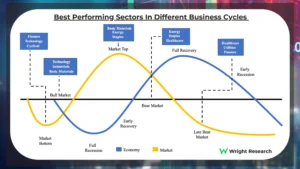
- Sector Rotation: Defensively shift exposure towards sectors that are less sensitive to economic cycles. These include:
- Consumer Staples: Companies that produce essential goods (food, beverages, household products).
- Utilities: Regulated providers of essential services (electricity, water, gas).
- Healthcare: Companies providing essential medical services and products.
These sectors tend to have more stable earnings and demand regardless of economic conditions.
- Factor Tilts: Consider tilting your equity exposure towards “quality” factors: companies with strong balance sheets (low debt), high profitability (return on equity), and stable earnings. These companies are better equipped to weather an economic downturn.
- Geographic Diversification: Don’t put all your eggs in one country’s basket. While global markets are increasingly correlated, international and emerging markets can sometimes be at different points in their economic cycles and may offer more attractive valuations than a domestic market that is overheated.
3. The Flight to Quality and Value
In speculative bubbles, the lowest-quality companies are often bid up the most. A defensive strategy involves moving up the quality ladder.
- Blue-Chip Stocks: Focus on large, well-established companies with a long history of profitability, strong competitive advantages (wide moats), and a commitment to paying and growing dividends. These are the “fortresses” of the market.
- Dividend Aristocrats/Kings: These are companies that have not just paid but have increased their dividends for at least 25 (Aristocrats) or 50 (Kings) consecutive years. This track record demonstrates incredible financial resilience and a shareholder-friendly management team. Their dividends can provide a steady income stream even when stock prices are falling.
- Seek Value, Not Story: Avoid trendy stocks trading on future promises. Instead, focus on companies whose current stock price is supported by tangible assets, cash flow, and earnings, even if their growth is slower.
4. Building a Cash Cushion
Increasing your cash allocation from, say, 2% to 10-15% can be a powerful defensive move.
- Purpose: This cash serves two purposes: a psychological safety net that prevents panic selling, and dry powder to deploy during a market sell-off.
- Where to Hold Cash: Use safe, liquid vehicles for this portion of your portfolio: high-yield savings accounts, money market funds, or short-term Treasury bills. The goal is not return on capital, but return of capital.
5. Defensive Tools and Instruments
For more sophisticated investors, certain instruments can provide targeted protection.
- Put Options: Buying put options on a stock index like the S&P 500 is akin to buying insurance. You pay a premium for the right to sell the index at a predetermined price. If the market falls below that price, the put option increases in value, offsetting losses in your portfolio. It’s a direct, though often costly, hedge.
- Inverse ETFs: These exchange-traded funds are designed to move in the opposite direction of a given index. They can be used for short-term hedging but come with significant risks and complexities (such as decay) that make them unsuitable for most long-term investors.
6. The Ultimate Defense: A Long-Term Mindset
The most powerful defensive strategy is often psychological. Remember that time in the market is more important than timing the market. Historically, every market downturn has eventually been followed by a new high. If your investment horizon is 10, 20, or 30 years, a bear market, while painful in the short term, is ultimately a temporary setback. A well-constructed defensive portfolio is designed to help you stay the course during this volatility, ensuring you are there for the eventual recovery.
Read more: ESG Investing: Aligning Your Portfolio with Your Values in the American Market
Part 4: What to Avoid – Common Pitfalls in an Overvalued Market
Knowing what not to do is just as important as knowing what to do.
- Panic Selling: Selling after a major drop locks in permanent losses. A defensive strategy is designed to prevent this emotional reaction.
- Reaching for Yield: In a low-interest-rate environment, the temptation to buy high-yield “junk” bonds or risky dividend stocks is strong. These are often the first to get crushed in a downturn. Prioritize the safety of the principal over the size of the yield.
- Going All-In on Cash: While holding cash is prudent, moving your entire portfolio to cash is a form of market timing. You risk missing out on further gains and face the near-certainty of losing purchasing power to inflation over time.
- Succumbing to FOMO (Fear Of Missing Out): Just because a speculative asset is soaring doesn’t mean you need to own it. Stick to your disciplined process. The euphoric final leg of a bull market is often the most dangerous.
Conclusion: Fortitude and Flexibility
Navigating an overvalued market requires a blend of fortitude and flexibility. Fortitude to stick to your long-term plan in the face of fear and greed, and flexibility to adjust your tactics as market conditions change.
Defensive investing is not about being bearish; it is about being prepared. It is the application of prudent, time-tested principles to manage risk and protect the capital you have worked so hard to accumulate. By focusing on quality, diversification, asset allocation, and, most importantly, your own behavior, you can build a portfolio that not only survives a market downturn but also positions you to thrive in the recovery that will inevitably follow.
Start today. Review your portfolio. Reassess your risk tolerance. Consider implementing one or two of the strategies discussed. A defensive stance is not built in a day, but through a series of deliberate, thoughtful actions. Your future self will thank you for the prudence.
Read more: The Boglehead Way: A Timeless Passive Investing Strategy for American Markets
Frequently Asked Questions (FAQ)
Q1: How much cash should I hold in an overvalued market?
There is no one-size-fits-all answer, as it depends entirely on your individual financial situation, risk tolerance, and investment horizon. A common rule of thumb is to have 6-12 months of living expenses in cash for emergencies. As a strategic allocation within your investment portfolio, a cash position of 5-15% can be a reasonable defensive move in an overvalued environment. The key is to ensure this cash is part of a deliberate plan, not a reaction to fear.
Q2: Isn’t defensive investing just another form of market timing?
No, and this is a critical distinction. Market timing is an active bet that the market will go down in the short term, often involving moving entirely to cash or heavily shorting the market. Defensive investing is a permanent strategy of risk management. It involves structuring a portfolio to be resilient in all market conditions. While you might increase your defensive posture when valuations are high, the core elements—diversification, quality focus, and asset allocation—are always in place. It’s about preparing for storms as a matter of course, not trying to predict the exact day they will arrive.
Q3: What are the best defensive sectors to consider?
As mentioned, the classic defensive sectors are:
- Consumer Staples (e.g., Procter & Gamble, Coca-Cola)
- Utilities (e.g., NextEra Energy, Duke Energy)
- Healthcare (e.g., Johnson & Johnson, Pfizer)
- Certain segments of Real Estate (e.g., Real Estate Investment Trusts (REITs) focused on essential properties like healthcare facilities or infrastructure).
These sectors are considered “non-cyclical” because demand for their products and services remains relatively stable through economic ups and downs.
Q4: Should I stop contributing to my 401(k) or other retirement accounts if the market is overvalued?
Absolutely not. Ceasing contributions is one of the worst mistakes you can make. Regular contributions to a retirement account leverage a powerful strategy called dollar-cost averaging. When you invest a fixed amount regularly, you buy more shares when prices are low and fewer when prices are high. This smooths out your average purchase price over time. In an overvalued market, your current contributions may buy fewer shares, but when the market eventually corrects, your ongoing contributions will automatically buy shares at lower prices. Stopping contributions halts this beneficial process and disrupts the power of long-term compounding.
Q5: How do I know if a company is “high quality”?
Look for these fundamental characteristics:
- Strong Balance Sheet: Low debt-to-equity ratio, high interest coverage ratio (indicating it can easily pay its debt obligations).
- Consistent Profitability: A long history of stable or growing earnings and cash flow, not erratic “boom and bust” results.
- Competitive Moat: A durable competitive advantage that protects its business from competitors (e.g., a powerful brand, patents, regulatory licenses, or network effects).
- Proven Management: A leadership team with a track record of capital allocation and acting in shareholders’ best interests.
Q6: Are bonds still a good defensive asset when interest rates are low?
This is a complex issue. When interest rates are low, the potential for price appreciation in bonds is limited, and there is interest rate risk (if rates rise, existing bond prices fall). However, high-quality bonds still serve their primary defensive purpose: diversification. In a sharp equity sell-off, the “flight to safety” typically overwhelms interest rate concerns, and government bonds often rally. The focus in a low-rate environment should be on quality (to avoid credit risk) and managing duration (shorter-term bonds are less sensitive to rate hikes). They may not provide the same returns as in the past, but their role as a non-correlated asset remains valuable.
Q7: I’m already retired and rely on my portfolio for income. What should I do differently?
For retirees, capital preservation is paramount. Your strategy should be even more defensive:
- Ensure Adequate Cash/Cash Equivalents: Hold 1-2 years’ worth of living expenses in cash to avoid selling depressed assets during a downturn.
- Emphasize Income from Safe Sources: Prioritize dividends from high-quality companies and interest from high-grade bonds. Be very wary of “reaching for yield.”
- Consider a Bucket Strategy: Segment your portfolio into “buckets.” Bucket 1 holds 1-2 years of cash. Bucket 2 holds conservative, income-producing assets for years 3-10. Bucket 3 holds growth-oriented assets for income beyond 10 years. You only spend from Bucket 1, replenishing it from Bucket 2 during good markets.
- Review Your Withdrawal Rate: Ensure your annual withdrawal rate is sustainable. The classic 4% rule may need to be adjusted downward in a high-valuation, low-yield environment.